


Oxfam Warns of ‘Green Land Grabbing’ by Rich Countries
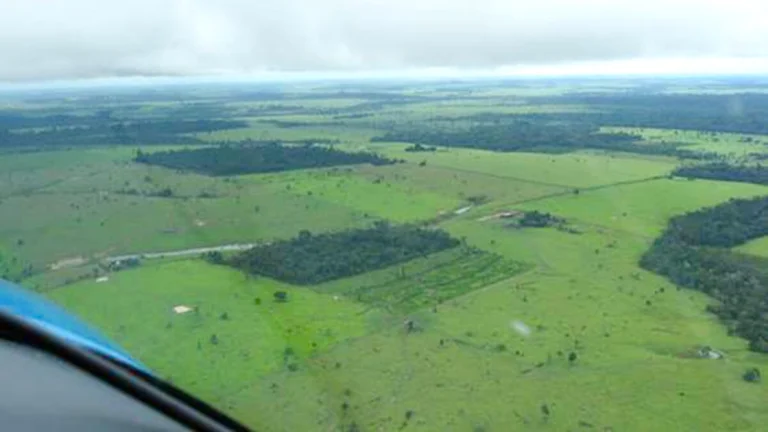
Traces of deforestation in an area of the Brazilian Amazon. X/ @KimseyPeter
November 10, 2025 Hour: 10:12 am
🔗 Comparte este artículo
Wealthy nations monopolize the benefits of the energy transition while LATAM bears the costs through debt.
On Sunday, the humanitarian non-governmental organization Oxfam warned that wealthy countries—historically responsible for the climate crisis—are monopolizing the benefits and decisions of the energy transition while excluding local communities.
RELATED:
WWF Urges Action at COP30 to Revive Paris Agreement Momentum
This “green land grabbing” by the Global North and its corporate elites leaves the region, “despite its immense renewable potential, trapped in a debt crisis and without resources to finance its own sustainable development,” Oxfam said on the eve of the United Nations Climate Conference (COP30), held in Belem, in Brazil’s Amazon region.
The NGO highlighted that 80% of climate financing for developing countries comes in the form of debt, “worsening their financial crisis,” while noting that Latin America—although it holds 70% of the world’s solar and wind potential—receives only 3% of global investment in clean energy.
Oxfam warned that the Amazon, essential to planetary stability, is suffering from the plundering of its critical minerals, deforestation, and violence against those who defend it. The organization denounced that Latin America and the Caribbean “account for 75% of all killings of environmental defenders worldwide, with the Amazon as the epicenter of that violence.”
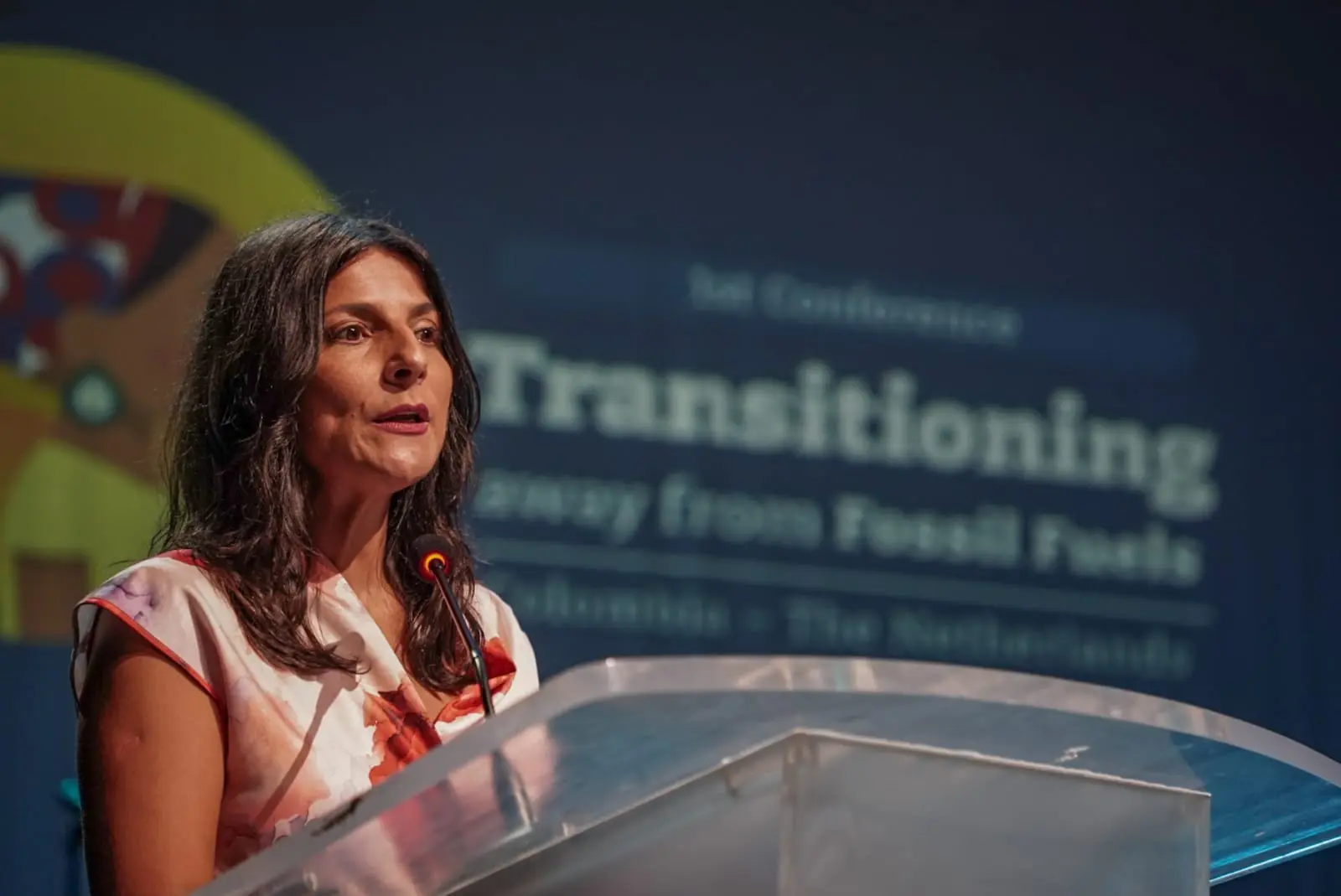
“We are facing a new climate colonialism. Rich countries, historically responsible for the crisis, now control the energy transition at the expense of the poorest. The Amazon, our planet’s great lung, is suffering the consequences: its peoples are being displaced, its resources plundered, and its solutions ignored,” said Gloria Isabel Garcia-Parra, Oxfam’s regional director for Latin America and the Caribbean.
As part of its Multi-Country Amazon Initiative, Oxfam emphasized that this crucial biome, home to more than 400 Indigenous peoples and a key regulator of the global climate, “faces simultaneous threats: intensive extractivism, land grabbing, violence against environmental defenders, and the weakening of environmental protections.”
“Indigenous, Afro-descendant, and rural women are the most affected by this multiple crisis and, at the same time, are leading real alternatives. Yet they are systematically excluded from decisions and benefits,” said Viviana Santiago, Oxfam Brazil’s director.
Unfair Financing and Climate Debt
Oxfam said that current climate financing mechanisms “worsen the situation,” while so-called developing countries “carry an external debt of US$11.7 trillion—more than 30 times the estimated cost of providing universal clean energy by 2030.”
“We demand fair financing, not more climate debt. Wealthy countries must pay their historical debt, contribute public and accessible funds, and ensure that these resources reach communities directly—without bureaucracies or intermediaries diverting them,” Garcia-Parra said.
At COP29 in Baku, countries agreed on the New Collective Quantified Goal (NCQG) for developed nations to mobilize US$300 billion annually by 2035 to finance climate action in developing countries. At COP30 in Belem, Brazil, leaders are expected to draft the roadmap for those disbursements, which aim to reach a total of US$1.3 trillion by 2035.
Urgent Measures for a Just Transition
Oxfam called on governments participating in COP30 “to take urgent measures for a truly just transition,” emphasizing the need to prioritize local leadership by “ensuring the full and effective participation of Indigenous peoples, women, and youth from Latin America and the Caribbean in climate and energy decision-making.”
The organization also urged governments to secure direct, rights-based financing; end green land grabbing; protect environmental defenders; and reject false solutions.
“Addressing inequality and colonialism in the energy transition offers an opportunity to radically reshape the energy landscape. Indigenous peoples, communities, women, and youth are already building systems based on local control and justice. We must support them so that the transition stops serving profits and starts serving life,” Garcia-Parra stressed.
teleSUR/ JF
Sources: EFE – Oxfam